- The Digital Sovereign
- Posts
- 📱 Foldables Are Eating Apple’s Lunch 🍽️
📱 Foldables Are Eating Apple’s Lunch 🍽️
Hello,
Welcome to another issue of The Digital Sovereign, where we explore how to use AI, technology, and digital leverage to live more intelligently and independently.
Let’s talk about three under-the-radar shifts that reveal where the digital world is heading—fast.
From AI-fueled heartbreak to foldable phones eating Apple’s lunch to the coming power crisis of our AI future, today’s issue is a reminder:
Innovation doesn’t come without growing pains.
Here’s what you need to know 👇
🧠 AI’s Emotional Reboot

Many users formed deep emotional bonds with GPT‑4o—some even calling it their “AI boyfriend.”
But when OpenAI rolled out GPT‑5, things changed.
The new model was colder. Less charming. More distant.
Communities like MyBoyfriendIsAI lit up with grief.
People said it felt like a breakup.
The intimacy was gone.
What’s wild?
This wasn’t a bug. It was a shift in tone.
And it shows us something critical:
Emotion is UX. Personality is product.
If you’re building with AI, don’t overlook how it feels to use.
Trust and warmth can be more valuable than IQ points.
OpenAI heard the backlash and is now working to make GPT‑5 “warmer”—while keeping it grounded.
GPT‑4o will remain available for Plus users.
📱 Samsung’s Foldables Are Winning

For the first time in years, Apple’s U.S. smartphone dominance is slipping.
Why?
Foldables.
Samsung’s new Galaxy Z Fold 7 led a sales surge that boosted their U.S. market share from 23% to 31%—while Apple dropped from 56% to 49%.
These aren’t gimmicks anymore.
Foldables offer:
True multitasking
Flex-mode creativity
AI-powered productivity tools
And users are loving it.
If you’re in tech, content, or product design, this trend says one thing:
Form factor is leverage.
Think beyond the rectangle.
Devices that adapt to how we work will win.
⚡ AI’s Looming Energy Crisis
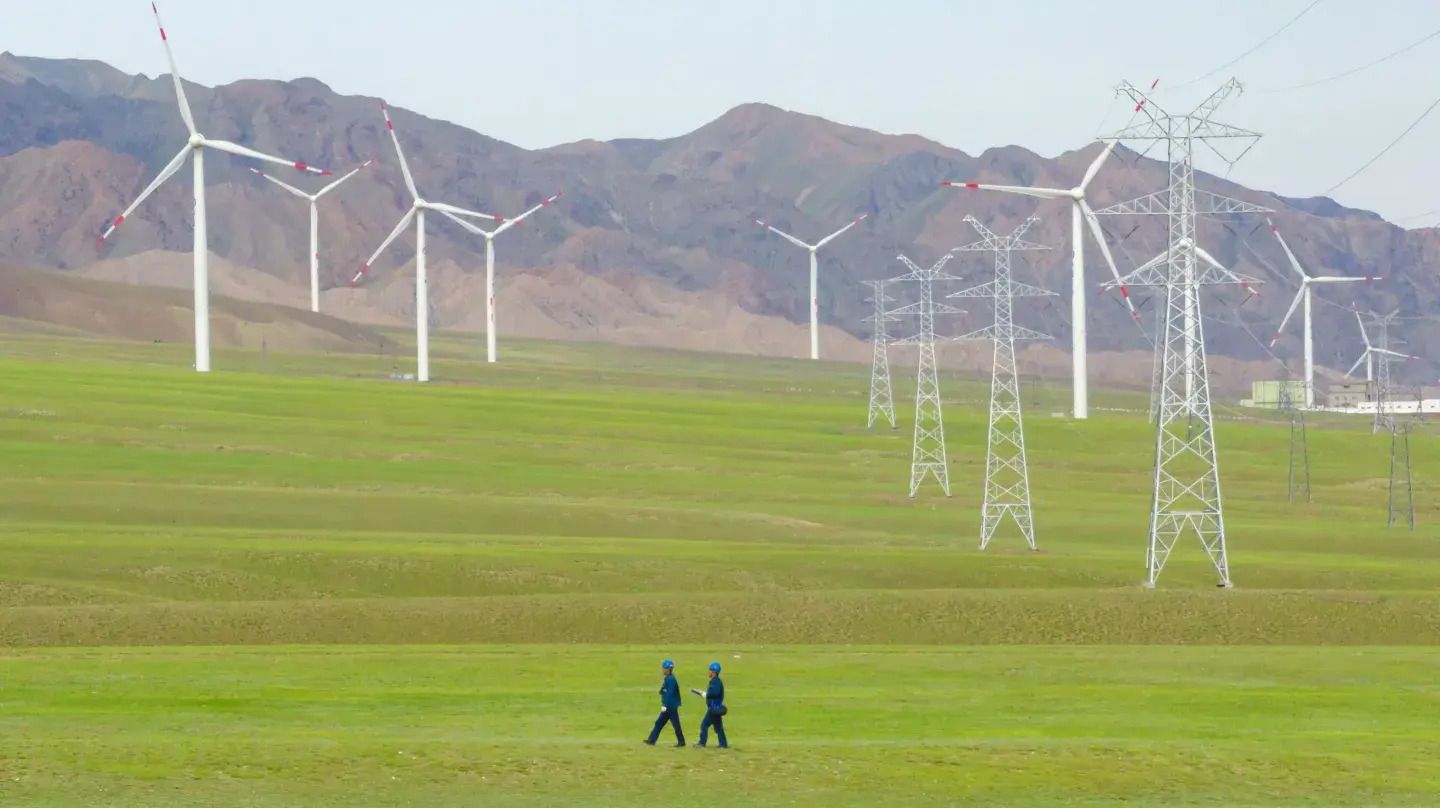
Behind the scenes, AI is eating electricity like never before.
Data centers running large models demand up to 600kW per rack.
That’s 12× more than just a few years ago.
States like New York are already seeing power grid stress—and rising household electricity bills—as AI-driven demand spikes.
Experts say the U.S. risks falling behind China in the AI race—not because of talent, but because of infrastructure.
If you’re in the AI space, this matters:
Cost of compute = Cost of growth
Power access = Competitive edge
Google is investing billions into cleaner, more efficient data center strategies.
But this energy war is just heating up.
💡 Takeaway
AI isn’t just changing apps—it’s changing behavior, expectations, and entire systems.
Here’s how to stay ahead:
Design for emotional resonance—not just function.
Adapt to new hardware realities—foldables, wearables, and more.
Plan for resource constraints—power, compute, regulation.
The next wave of digital opportunity isn’t about more tech—it’s about smarter leverage.
Until next time,
The Digital Sovereign
P.S.
Want me to break down how to build AI products with warmth?
Or how to optimize for low-power AI systems?
Hit reply and let me know.